

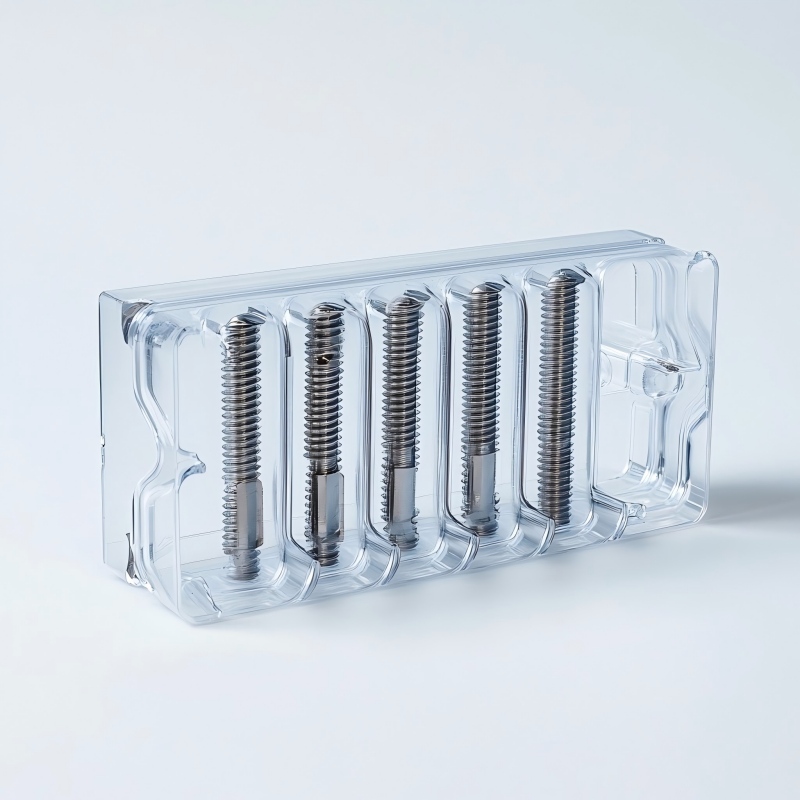
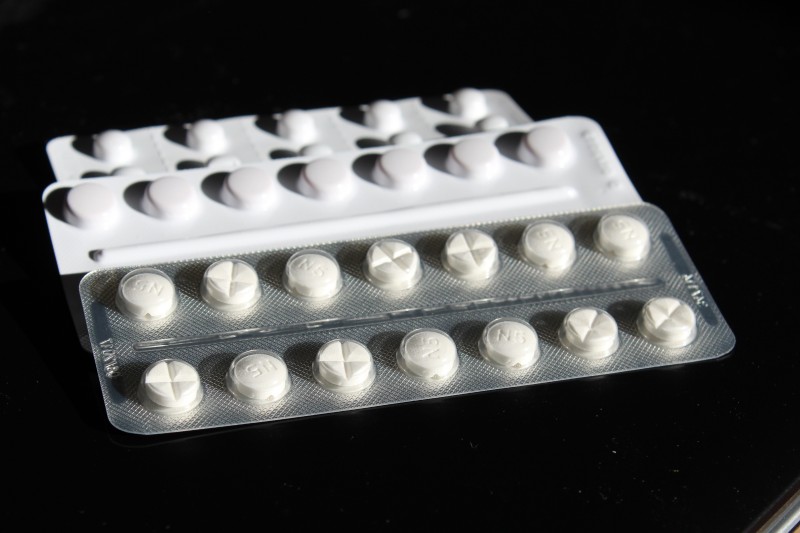
Blister packaging boxes are one of the most common blister packaging products. Before figuring out which raw material makes better blister packaging boxes, we first need to learn what raw materials are available for blister packaging boxes.
Common raw materials for blister packaging boxes include PET, PVC, PP and so on, with material thickness generally ranging from 0.2 to 0.8 mm. The choice of each material affects the properties of blister packaging boxes. Considering the unique shape of blister boxes and the characteristics of the packaged goods, PVC is the most widely used material. PVC sheets feature high toughness and are not easy to burn. However, they release chlorine gas when combusted, which harms the environment. PET is a new material developed in recent years. It boasts excellent toughness, high strength, high transparency and recyclability, a major advantage over PVC. PP sheets are non-toxic, odorless, hygienic, and have high mechanical strength and good barrier properties. They can be used for packaging in industries such as manufacturing, agriculture and fruit packaging.
Once you understand the advantages and disadvantages of blister boxes made from these materials, you can select the most suitable option. The blister packaging box that best matches your needs is the best blister packaging product.
 Home
 Products
 News
 Contact